

From the team
Blog
Guides, stories, and updates on immersion-based Mandarin learning.
Showing 10 articles

The 4th Tone in Mandarin: The Falling Tone, Minus the Anger
The 4th tone in Mandarin falls sharply from high to low. How to make it decisive without sounding angry, common mistakes, and words to drill it with.
 沉浸 TeamAug 12, 2026
The 3rd Tone in Mandarin: It's a Low Tone, Not a Dip
The 3rd tone in Mandarin is best learned as a low, creaky tone, not a full dip. How to produce it, the third-tone sandhi rule, and practice words.
沉浸 TeamAug 12, 2026
The 2nd Tone in Mandarin: How to Nail the Rising Tone
The 2nd tone in Mandarin rises like a question. How to start mid-pitch and climb, why it gets confused with the 3rd tone, and drills that fix it.
沉浸 TeamAug 12, 2026
The 1st Tone in Mandarin: How to Hold the High, Flat Pitch
The 1st tone in Mandarin is high and flat, like a held musical note. How to find your pitch, hold it steady, and stop it from drifting down mid-word.
沉浸 TeamAug 12, 2026
Erhua: What the Beijing 'r' Sound Is and When to Use It
Erhua explained: what the 儿 ending does to Mandarin words, how to pronounce the curled r sound, common erhua words, and when you can skip it.
沉浸 TeamAug 12, 2026
How to Pronounce Chinese Names: A Practical Guide
How to pronounce Chinese names with confidence: the sounds x, q, zh, and c, the most common surnames, name order, and tools to hear any name aloud.
沉浸 TeamAug 12, 2026
Tone Sandhi in Mandarin: The Tone Change Rules Explained
Tone sandhi explained simply: the third-tone rule, how 不 and 一 change tones, the half-third tone, and how to hear the changes in real speech.
沉浸 TeamAug 12, 2026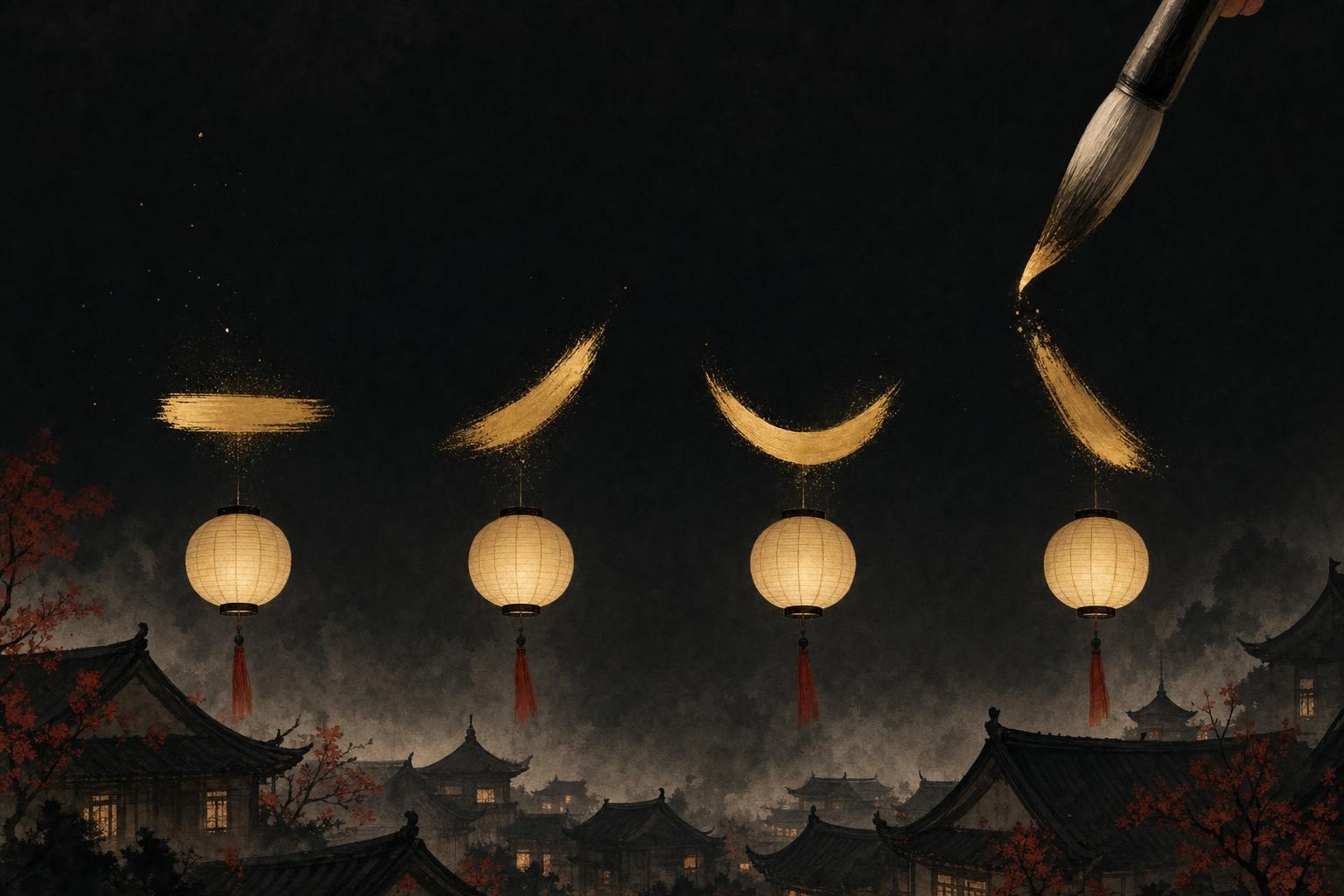
Chinese Tone Marks: How to Read, Place, and Type Them
Chinese tone marks made simple: what ā á ǎ à mean, which vowel gets the mark, how to type tone marks on any device, and tone numbers as a fallback.
沉浸 TeamAug 12, 2026
Chinese Pronunciation: The Complete Beginner's Guide
Chinese pronunciation, step by step: how pinyin maps to real sounds, the initials and finals that trip up English speakers, tones, and a practice method.
沉浸 TeamAug 12, 2026
Chinese Tones: The Complete Guide (with Audio and Pitch Curves)
Chinese tones explained: the four tones plus the neutral tone, how each one sounds, tone pairs, sandhi rules, and how to practice with pitch-curve feedback.
沉浸 TeamAug 12, 2026